



16 Jun 2026
How does gambling affect social dynamics in modern society
In recent years, gambling has surged in popularity, becoming a prominent aspect of modern entertainment. This increase is particularly evident with the rise of online gambling platforms, which have made access to gambling easier than ever before. People can now gamble from the comfort of their homes, breaking geographical barriers and social norms surrounding traditional betting methods. This accessibility has led to a significant shift in how society perceives gambling, transforming it from a taboo activity into a mainstream pastime, where enthusiasts can find the best payid pokies online.
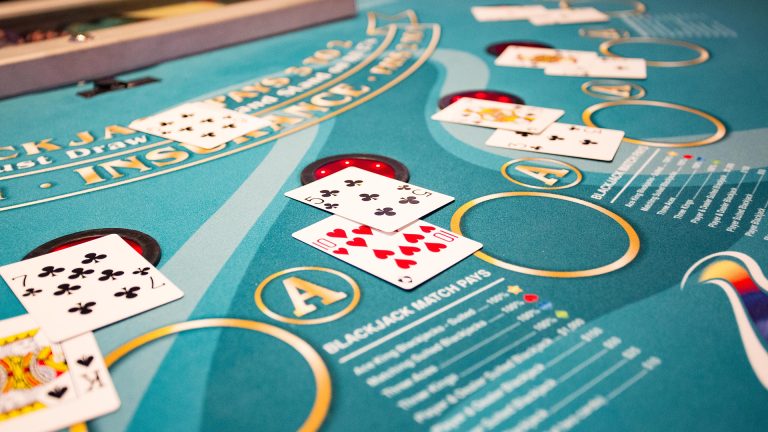
With the advent of mobile apps and online casinos, social dynamics have inevitably changed. Younger generations, in particular, are more inclined to engage in gambling activities, leading to shifts in social interactions. Gambling is not merely a solitary endeavor; it often serves as a social activity where friends and family come together to share experiences, fostering a sense of community. However, this change also raises questions about the potential consequences of widespread gambling participation on relationships and community cohesion.
Moreover, the increasing normalization of gambling has led to its incorporation into various aspects of daily life, including sports and entertainment. Advertisements featuring celebrities promoting betting platforms are now ubiquitous, further influencing public perception. This acceptance may enhance social bonding among peers but could also contribute to a desensitization toward the risks associated with gambling, altering the overall landscape of social dynamics.
The dichotomy between online and offline gambling presents unique social dynamics. While traditional, in-person gambling fosters face-to-face interactions, online platforms offer a different kind of community. Players often form online relationships through forums, chat rooms, and social media, creating a virtual social environment that transcends physical limitations. This virtual camaraderie can be quite strong, but it also raises concerns about the quality of relationships and interactions, potentially leading to feelings of isolation.
Offline gambling venues, such as casinos and betting shops, tend to create a different atmosphere. These spaces often serve as social hubs where individuals gather not just to gamble but to socialize and network. The communal experience of watching a game in a crowded sports bar or participating in a poker game can foster deeper connections among individuals. This face-to-face interaction can enhance emotional ties, offering a sense of belonging that online environments may lack.
However, the shifting dynamics brought on by online gambling cannot be ignored. The anonymity that online platforms provide can lead to problematic behaviors, such as gambling addiction. In contrast, offline gambling can offer support systems in the form of friends and family who may notice negative changes. Therefore, understanding these differences is essential for addressing the broader implications of gambling on social structures.
Gambling can have both positive and negative effects on personal relationships. On one hand, shared gambling experiences can strengthen bonds between friends and family members. Engaging in activities like poker nights or sports betting can be a source of fun and camaraderie, creating lasting memories. These shared experiences can contribute to a sense of unity and togetherness, which is crucial in maintaining strong relationships.
On the other hand, the darker side of gambling cannot be overlooked. Problems may arise when one or more individuals develop gambling addictions, leading to financial strain and emotional turmoil. Such situations can lead to conflicts, trust issues, and even the breakdown of relationships. Spouses and families may find themselves grappling with the consequences of a loved one’s gambling habits, leading to feelings of betrayal, resentment, and anxiety.
The societal perception of gambling addiction as a serious issue has led to increased awareness and resources for affected individuals and their families. Support groups, therapy, and community programs aim to address the negative impacts of gambling on relationships. However, these resources are often underutilized, highlighting the need for further education and outreach to mitigate the effects of gambling on social dynamics.
The relationship between gambling and community engagement is multifaceted. In many cases, local economies benefit from gambling through job creation and increased tourism. Casinos and betting establishments can become centers of social interaction, where community events are held and local gatherings take place. This can foster a sense of pride and belonging among community members, as they participate in shared economic opportunities.
However, the benefits of gambling on community engagement come with caveats. Communities that depend heavily on gambling revenues may face unique challenges, including potential increases in crime, addiction, and social disintegration. These factors can compromise the stability and well-being of the community, raising questions about the long-term sustainability of gambling as an economic engine. In some instances, the resources generated from gambling activities may not adequately address the social issues that arise.
Moreover, communities must grapple with the ethical implications of promoting gambling as a means of economic development. The potential for addiction and the social costs associated with it can raise moral questions about the responsibilities of gambling establishments to their patrons. As such, community leaders and policymakers must carefully consider how to balance the economic advantages of gambling with the potential social repercussions.
As gambling continues to evolve, understanding its broader social implications becomes increasingly critical. The effects of gambling on individuals, relationships, and communities are complex and interwoven, necessitating a comprehensive approach to addressing the challenges it presents. Awareness campaigns, educational programs, and policies aimed at responsible gambling can help mitigate the negative consequences associated with gambling.
Additionally, the role of technology in shaping modern gambling dynamics cannot be underestimated. Online platforms are constantly evolving, offering new forms of engagement that can exacerbate issues like gambling addiction. Therefore, it is essential for stakeholders, including government bodies, gambling establishments, and community organizations, to collaborate in promoting safe gambling practices while addressing the potential risks.
Ultimately, gambling’s impact on social dynamics in modern society is profound and multifaceted. As we continue to navigate this complex landscape, fostering open conversations about gambling’s benefits and drawbacks can lead to healthier relationships and stronger communities. By understanding these dynamics, society can better equip itself to face the challenges posed by gambling.

Leave Your Comment Here